
•
HVAC Tips
Here's a call we get all summer: the thermostat is set to 72, the AC is running almost constantly, and yet the upstairs bedroom or the back office is still 6 to 8 degrees warmer than the rest of the house. The homeowner assumes the air conditioner is failing. Nine times out of ten, the unit is fine. The problem is what happens to the air after it leaves the unit.
Cool air has to travel through your ductwork to reach each room, and every foot of that path matters. When ducts are clogged with years of dust, pet dander, and construction debris, or when a run is undersized, crushed, or leaking, the air simply doesn't arrive at full strength. The AC keeps working harder to compensate, your electric bill climbs, and one or two rooms never catch up. Before you spend money replacing a compressor that isn't broken, it's worth looking at the ducts.
Why one room bakes while the AC runs nonstop
Air takes the path of least resistance. If a supply run to your farthest bedroom is partially blocked or leaking into an attic, the air that was meant for that room bleeds off before it gets there. The rooms closest to the air handler get plenty of airflow; the rooms at the end of the line get whatever is left. That's why the primary bedroom over the garage or the finished basement is almost always the room people complain about.
Restricted airflow also throws off the balance the system was designed around. Two-story homes in Parker and Highlands Ranch are especially prone to this because hot air rises and the upstairs zones are fed by the longest duct runs in the house. Add a layer of buildup inside those ducts and the difference between floors can go from annoying to unlivable.
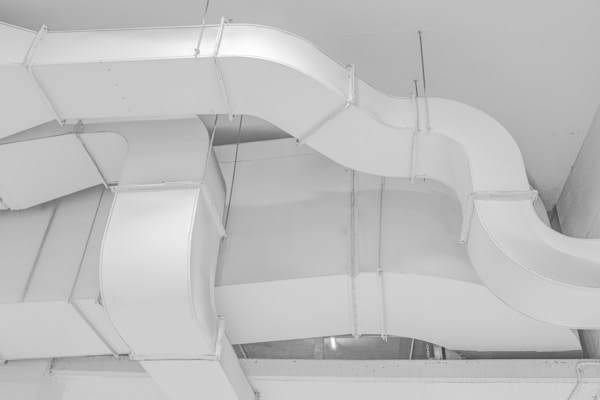
What restricted airflow actually does to your system
When airflow drops, the consequences don't stop at comfort. Low airflow across the indoor coil can cause the coil to run colder than intended, which invites condensation and, in a dry Front Range summer with a swing to cool nights, even freeze-ups. A system that's starved for return air runs longer cycles, works its blower motor and compressor harder, and wears out years earlier than it should.
You also end up moving whatever is inside those ducts into your living space. Dust that has collected on the walls of a return line gets picked up and pushed out through every vent, which is why homeowners often notice more dust on furniture and worse allergy symptoms right when the airflow problem shows up. Cleaning and sealing the duct system fixes the comfort issue and the air-quality issue at the same time.
What a duct and airflow inspection looks for
When our technicians diagnose uneven cooling, we don't guess. We measure airflow at the registers, inspect the accessible runs, and look for the specific things that starve a room:
Dust, debris, and biological buildup restricting the supply and return lines
Disconnected or crushed flex duct in attics and crawlspaces
Leaky seams and joints bleeding conditioned air into unconditioned spaces
Undersized or missing return-air paths that choke the whole system
Closed, blocked, or painted-over registers and grilles
Filters so clogged they're strangling airflow before it starts
Only after we know which of these is happening do we recommend a fix, whether that's a full air duct cleaning, sealing the ductwork, or, in homes where the layout fights you, adding zoning so each floor gets its own control.
When it's the ducts, and when it's the unit
A quick way to tell them apart: if the air coming out of the registers feels cold but weak, the problem is almost always airflow and ductwork. If the air coming out feels lukewarm even at the vents closest to the unit, then the AC itself, its refrigerant charge, or the coil may be the issue. Either way, a proper diagnosis takes about the same amount of time, and it saves you from paying for the wrong repair. When in doubt, start with a free system analysis and let the measurements decide.
A note for Parker, Highlands Ranch & Commerce City homeowners
Our stretch of the Front Range is hard on ductwork. The dry, dusty summers pull fine grit into every return, and homes near open land or under construction, common around the newer subdivisions in Parker and Highlands Ranch, take on debris faster than most. In Commerce City, industrial and roadway particulate adds to the load, and many of the older homes there have original ducts that have never been properly cleaned or sealed. If your house is more than a few years past its last cleaning, the odds are good that buildup is part of why one room won't cool. We service all three communities and the surrounding Denver metro, and dryer vent cleaning is included at no extra charge on every duct cleaning we do.
FAQs
Can dirty ducts really make one room warmer than the rest?
Yes. Buildup rarely coats every duct evenly. The runs that are most restricted deliver the least air, so the rooms they feed, usually the farthest or highest in the house, run several degrees warmer while the AC keeps running to try to make up the difference.
Will cleaning my ducts lower my electric bill?
Often, yes. When airflow is restored, the system reaches the set temperature faster and runs shorter cycles, which pulls fewer kilowatt-hours off your Xcel bill. It also takes strain off the blower and compressor, which protects you from a much larger repair down the road.
How do I know whether it's the ducts or the AC?
The reliable answer is measurement. We check airflow and temperature at the unit and at the registers so we can see exactly where the cooling is being lost. That's what the free system analysis is for, and it means you only pay to fix what's actually wrong.
How long does the whole thing take?
A typical single-family duct cleaning takes a few hours. We clear every supply vent, every return, and the main trunk lines, then clean the dryer vent before we leave. Most homeowners feel the difference in airflow the same day.
If your AC is running hard and one room still won't cool, don't replace the unit before you've checked the ducts. Call Allegiance National HVAC at (720) 837-0377 for a free system analysis, or reach us here, and we'll tell you exactly what's happening before you spend a dollar on the wrong fix.
RELATED ARTICLES
Related Articles
Discover related articles covering expert advice, practical tips, and useful information for homeowners.
Whole Home Humidifiers in the Denver Metro: Types, Installation and Maintenance
Oct 23, 2026
•
HVAC Tips
Dry Winter Air in Denver Homes: Signs, Ideal Humidity and What to Do About It
Oct 23, 2026
•
HVAC Tips
Why Your Addition or Converted Room Is Always Too Hot or Too Cold, and How to Fix It in the Denver Metro
Oct 23, 2026
•
HVAC Tips